Violence in PoK after ban on protest group
PoK protests turn deadly as crackdown sparks fresh questions over Pakistan’s Kashmir narrative
Pakistan-occupied Kashmir (PoK) has witnessed one of its most serious periods of unrest in recent years after violent clashes broke out between protesters and Pakistani security forces. The protests began after authorities banned the Joint Awami Action Committee (JAAC), a civil rights group that has been actively raising issues related to governance, representation, and public welfare in the region.
The violence has resulted in multiple deaths and injuries, leading to widespread anger among residents. The situation has also drawn international attention and renewed debate over the political and human rights situation in Pakistan-occupied Kashmir.
Why the protests began
The immediate reason behind the unrest was the decision by Pakistani authorities to ban the Joint Awami Action Committee (JAAC) on June 6 under anti-terrorism laws. The JAAC was formed in September 2023 and consists of traders, lawyers, transport workers, students, and other civil society groups.
Over the past few years, the organisation had become one of the most influential grassroots movements in PoK. It regularly organised demonstrations and campaigns on issues affecting local residents.
The group had announced a region-wide shutdown and a long march scheduled for June 9. The protest was planned to highlight a 38-point charter of demands. One of its major demands was the removal of 12 seats in the PoK assembly that are reserved for people described as refugees from Jammu and Kashmir.
According to critics, these seats allow Islamabad to exercise significant influence over the local assembly. They argue that many of these representatives are chosen with support from the central government rather than through local political processes. Protesters believe this system weakens the voice of people living in PoK.
Many residents viewed the ban on JAAC as an attempt to suppress a peaceful movement. The decision quickly increased public anger and led to demonstrations across several towns and cities.
Tensions escalated on the night of June 6 when a trader was reportedly killed during a confrontation involving police. News of the incident spread rapidly, triggering larger protests and public gatherings.
ALSO READ; Several Indian workers killed in Dubai road accident after minibus crashes into truck
ALSO READ: Singapore blocks online content targeting Indians to protect racial harmony
Deadly clashes and growing unrest
The most serious violence occurred in Rawalakot, where large numbers of JAAC supporters gathered at a hospital and funeral ceremonies for people who had died during earlier protests.
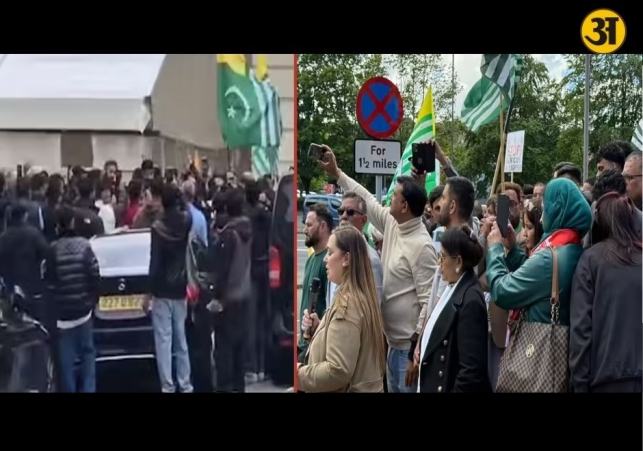
Witnesses and local sources claimed that security personnel used force against demonstrators. Several videos and reports circulated showing clashes, injuries, and heavy police deployment.
Different sources have provided varying casualty figures. Protest leaders claimed that more than 20 civilians were killed in Rawalakot alone, while the overall death toll across the unrest was said to be higher. Pakistani authorities, however, reported a lower number of deaths, stating that both civilians and security personnel were among those killed.
Dozens of people were also injured during the clashes. Hospitals reportedly treated many individuals suffering from gunshot wounds and other injuries. Security agencies detained several protesters as part of their response to the demonstrations.
As protests expanded, authorities imposed strict measures across the region. Mobile internet and data services were suspended in many areas. Public gatherings were restricted, and the JAAC's offices were reportedly sealed.
The unrest quickly spread beyond Rawalakot. Demonstrations, strikes, and shutdowns were reported in Muzaffarabad, Mirpur, Kotli, Bhimber, Plandari, and several other towns. Businesses remained closed in many places as residents joined protest actions.
The growing tension comes at a politically sensitive time because assembly elections in Pakistan-occupied Kashmir are scheduled for July 27. Political observers believe the unrest may influence public opinion and voter participation ahead of the elections.
The protests are not the first major movement in PoK in recent years. Similar demonstrations took place in 2024 over rising electricity bills and flour prices. Another wave of protests occurred in 2025, leading to deaths, injuries, and widespread public anger.
Many residents argue that their concerns go beyond economic issues. Increasingly, demands are focused on political representation, local autonomy, accountability, and reducing what they see as excessive interference from Islamabad.
The latest developments have also attracted international attention. Several countries reportedly issued travel advisories warning their citizens about the security situation in the region. Foreign missions advised people to avoid areas affected by protests and unrest.
India also reacted to the developments. Officials expressed concern over reports of violence against protesters and called attention to alleged human rights issues in the region. Indian authorities stated that reports of police action against demonstrators raised serious questions about the treatment of civilians in Pakistan-occupied Kashmir.
The unrest has also created a political challenge for Pakistan’s military leadership. Pakistan has long presented itself internationally as a supporter of the rights of Kashmiris. However, critics argue that the recent crackdown appears inconsistent with that position because the protesters are residents of Pakistan-administered Kashmir demanding greater rights and representation.
Supporters of the JAAC say the movement is focused on democratic rights, economic justice, and local governance rather than violence. They insist that the ban and subsequent crackdown have only increased public frustration.
As tensions continue, many observers believe the coming weeks will be crucial. Whether authorities choose dialogue or further restrictions could determine whether the situation calms down or develops into a larger political crisis.
For now, Pakistan-occupied Kashmir remains tense, with residents demanding answers, accountability, and greater political participation while security forces continue to maintain a strong presence across the region.
Related News